
Mental health is an essential part of our overall well-being. It influences how we think, feel, behave, and interact with others. Just like physical health, mental health needs regular attention and care. Our daily life—be it academic, professional, or personal—is deeply affected by our mental state. In today’s fast-paced world, maintaining good mental health has become both a necessity and a challenge.
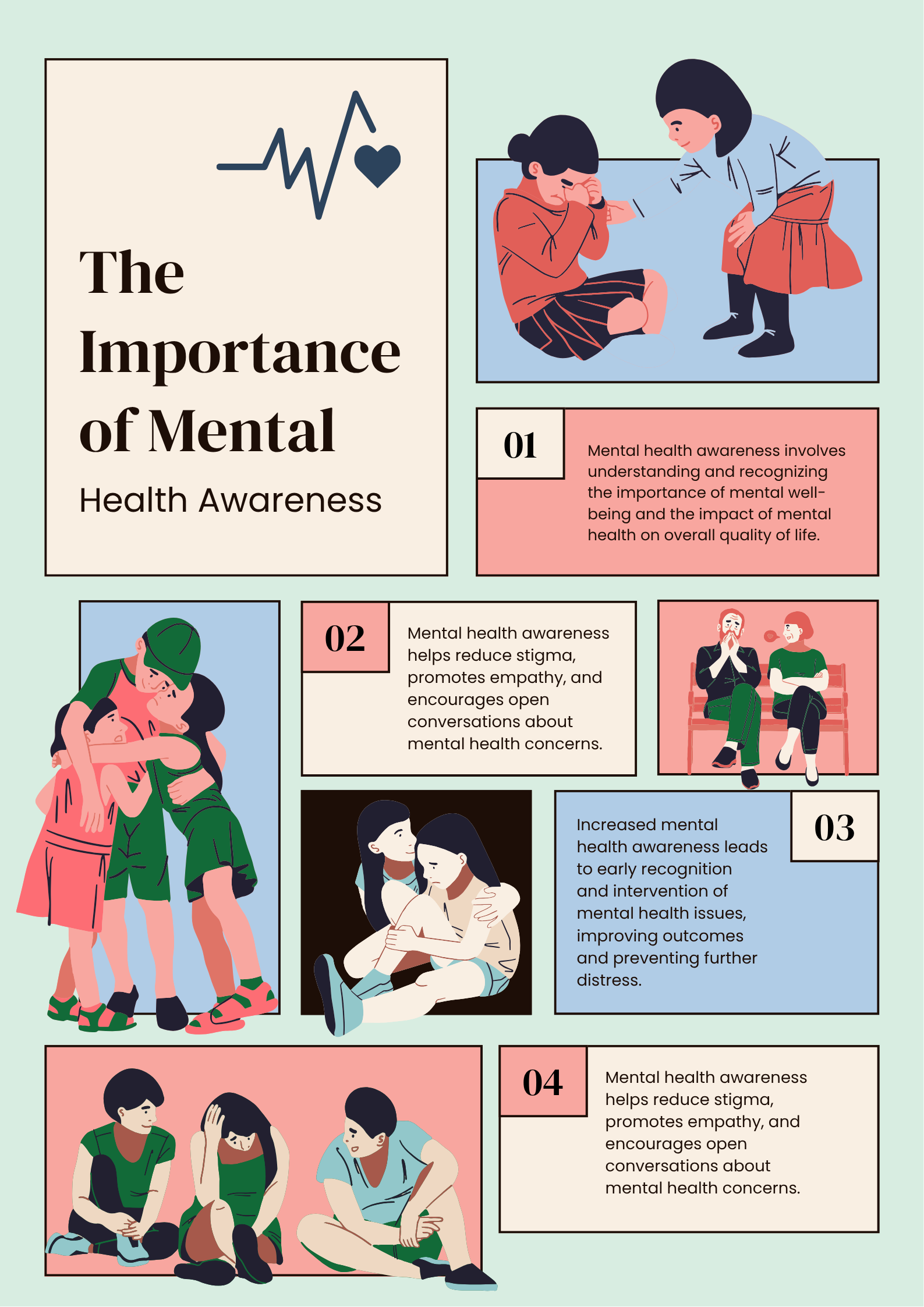
Let’s explore how mental health impacts different areas of daily life:
1. Impact on Academic or Work Performance
Mental health plays a crucial role in determining how well a person performs in their academic or professional life.
Concentration and Focus: Good mental health enhances concentration, memory, and decision-making abilities. On the other hand, anxiety, depression, or stress can make it difficult to focus on studies or work tasks.
Productivity: A mentally healthy individual is generally more motivated, enthusiastic, and productive. When someone struggles with mental health, their energy levels drop, often leading to procrastination and underperformance.
Attendance and Engagement: Mental health issues like anxiety or depression can lead to frequent absenteeism from school or work, further affecting performance.
Creativity and Innovation: A calm and emotionally balanced mind tends to be more creative and open to new ideas. Mental distress can limit one’s ability to think creatively or take risks.
For example, a student suffering from exam anxiety may know all the answers but still perform poorly due to panic and mental blocks during the test. Similarly, an employee with depression might struggle to meet deadlines or collaborate effectively with the team.
2. Social Relationships and Mental Well-being
Human beings are social creatures. Our ability to build and maintain relationships is strongly influenced by our mental health.
Communication: Good mental health improves our ability to communicate, listen actively, and express our thoughts clearly. Poor mental health may lead to withdrawal, irritability, or even aggression.
Trust and Empathy: Being emotionally healthy allows us to develop trust and show empathy in relationships. Mental health issues can lead to misunderstanding and conflicts in relationships.
Support Systems: Strong relationships offer emotional support, which is a protective factor for mental health. However, when mental health declines, people often isolate themselves, cutting off the very support they need.
Family and Friendships: Anxiety, mood swings, or depressive behaviors can strain relationships with family and friends, sometimes causing a person to feel lonely or misunderstood.
Social isolation is both a symptom and a cause of poor mental health. Maintaining meaningful relationships helps break the cycle of loneliness and emotional distress.
3. Stress Management
Stress is a normal part of life, but chronic or overwhelming stress can seriously affect mental health.
Healthy Coping Mechanisms: People with good mental health are usually better at managing stress. They may use positive strategies like talking to someone, exercising, journaling, or problem-solving.
Unhealthy Responses: Poor mental health can lead to negative coping mechanisms like substance abuse, binge eating, avoidance, or lashing out at others.
Physical Impact: Mental stress often manifests physically—headaches, fatigue, sleep disturbances, and weakened immunity are all common symptoms.
Academic and Work Pressure: Students and professionals often face performance pressure, deadlines, and expectations. Without good mental health and coping skills, these can lead to burnout and mental breakdowns.
Learning how to manage stress early in life helps prevent long-term mental health issues. Mindfulness, deep breathing, setting realistic goals, and seeking help when needed are effective stress-relief techniques.
4. Building Emotional Resilience
Emotional resilience is the ability to adapt and bounce back from adversity, trauma, or stress.
Self-awareness: Resilient individuals understand their emotions and know how to manage them. This reduces the chances of being overwhelmed by negative thoughts.
Problem-Solving Skills: Resilience strengthens one’s ability to face challenges and find solutions rather than feeling helpless.
Optimism and Hope: Positive thinking and hope for the future are key traits of emotionally resilient people.
Support Networks: Resilient individuals often maintain strong social networks that help them stay grounded during tough times.
Acceptance and Growth: Mentally healthy individuals can accept failures and learn from them. They view setbacks as temporary and focus on personal growth.
Resilience does not mean ignoring pain or avoiding difficulties. It means acknowledging them, processing them healthily, and moving forward with strength and clarity.
5. Role of Hobbies and Exercise
Engaging in hobbies and physical activity greatly contributes to mental well-being.
Hobbies: Activities like painting, music, reading, or gardening offer a sense of joy and accomplishment. They act as natural stress-relievers and give people something to look forward to.
Hobbies also provide opportunities to express oneself, learn new skills, and build confidence.
They can also foster social interaction, especially in group-based hobbies or clubs.
Exercise: Physical activity stimulates the release of endorphins—the brain’s natural mood elevators. It reduces anxiety, depression, and stress.
Regular exercise improves sleep, boosts self-esteem, and increases energy levels.
Even a short daily walk, yoga, or dancing can bring noticeable improvements in mood.
Incorporating hobbies and exercise into one’s routine helps in balancing emotions, reducing boredom, and building a positive lifestyle.
Conclusion
Mental health influences every part of daily life—from how we think and act to how we perform and relate to others. Just like we care for our bodies, we must care for our minds. Recognizing the signs of mental distress, talking about our feelings, seeking help when needed, and maintaining a balanced routine are crucial for mental wellness.
Building emotional resilience, managing stress, staying socially connected, and investing time in hobbies and exercise are not just optional—they are essential. A mentally healthy person is not someone who never struggles but someone who knows how to cope, recover, and grow stronger.