
Mental health problems often do not appear suddenly. Instead, they develop gradually and are often accompanied by various warning signs. Recognizing these early signs can help in seeking timely help and support. Below is a detailed description of some of the most common warning signs and symptoms of mental health issues.

1. Changes in Sleep or Appetite
Sleep Disturbances:
One of the earliest and most noticeable signs of a mental health issue is a significant change in sleeping patterns. This could include:
- Insomnia – difficulty falling asleep or staying asleep.
- Hypersomnia – sleeping too much, even during the day.
- Interrupted Sleep – frequently waking up during the night or waking up too early.
- Nightmares – recurring disturbing dreams, often seen in anxiety or PTSD.
These changes can be a symptom of conditions such as depression, anxiety, or bipolar disorder.
Appetite Changes:
Similarly, mental health issues can affect one’s appetite:
- Loss of Appetite – may result in noticeable weight loss and malnutrition.
- Increased Appetite – can lead to emotional eating, binge eating, and weight gain.
Appetite fluctuations are especially common in depression, eating disorders, and stress-related disorders.
2. Mood Swings
What Are Mood Swings?
Mood swings refer to sudden and extreme changes in a person’s emotional state. A person might feel very happy and energetic one moment, and suddenly feel sad or irritable the next.
Common Signs:
- Extreme irritability or anger outbursts
- Unexplained sadness or tearfulness
- Feeling overly energetic or euphoric, followed by a crash
- Short temper, even over minor issues
Associated Conditions:
- Bipolar Disorder: Known for alternating periods of mania (highs) and depression (lows).
- Depression and Anxiety: Mood can fluctuate between irritability, sadness, and numbness.
- Hormonal changes: Especially in teens or those undergoing menopause or pregnancy.
Mood swings, if persistent, should not be ignored, especially if they affect daily functioning or relationships.

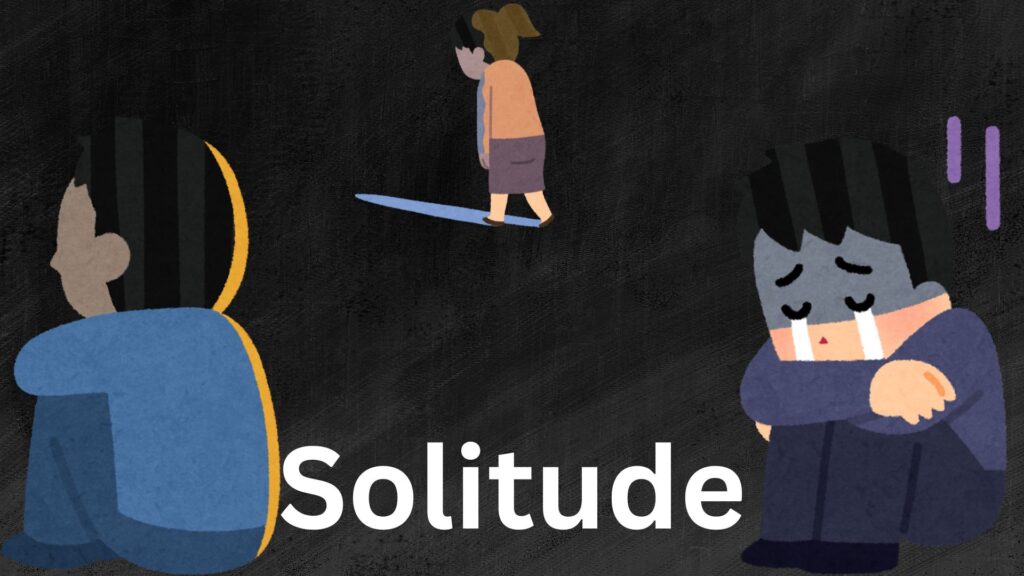
3. Withdrawal from Activities and People
Social Withdrawal:
A person struggling with their mental health may begin to avoid social interaction, even with close friends and family. They may:
- Decline invitations or cancel plans frequently.
- Isolate themselves in their rooms or avoid communication.
- Avoid eye contact and minimize conversations.
Loss of Interest in Activities:
People may stop engaging in hobbies or activities they once loved, such as:
- Playing sports
- Drawing, writing, reading
- Watching movies or listening to music
- Attending religious or community events
This withdrawal is a key symptom of depression, social anxiety, and schizophrenia. It may also stem from feelings of low self-worth or fear of judgment.
4. Problems in Thinking, Concentration, or Memory
Cognitive Symptoms:
Mental health issues often impair one’s ability to think clearly. Common signs include:
- Difficulty concentrating on tasks (like reading or studying)
- Forgetfulness, even with routine tasks
- Indecisiveness, inability to make choices
- Disorganized thinking, where thoughts seem jumbled or confused
Academic or Work Performance Declines:
- Poor performance in exams or at the workplace
- Missed deadlines
- Trouble following instructions or retaining new information
These symptoms are often found in depression, anxiety, ADHD, and psychotic disorders like schizophrenia. In children and teens, these may also affect school grades or class participation.
5. Suicidal Thoughts or Self-Harm
Understanding Suicidal Ideation:
This is one of the most serious and dangerous symptoms of poor mental health. It involves:
- Thinking about death frequently
- Planning suicide (even without the intent to act)
- Expressing hopelessness or saying life isn’t worth living
Signs to Watch For:
- Talking or writing about death or suicide
- Giving away personal belongings
- Withdrawing from loved ones more than usual
- Sudden calmness after a long period of depression (which could signal a decision to act on suicidal thoughts)
Self-Harm:
Some people harm themselves to cope with emotional pain. Methods may include:
- Cutting or burning skin
- Hitting or bruising oneself
- Overdosing on medication without suicidal intent
Important: Suicidal thoughts or self-harm should always be taken seriously. Immediate help from mental health professionals is necessary.
6. Excessive Fear, Worry, or Guilt
Anxiety Symptoms:
Excessive fear and worry are common symptoms of anxiety disorders. Individuals may:
- Feel constantly nervous or “on edge”
- Expect something bad to happen, even without reason
- Worry obsessively about minor issues (health, work, exams)
Physical signs include:
- Increased heartbeat
- Sweating
- Shaking
- Trouble breathing
Excessive Guilt:
Some individuals may feel guilty for things beyond their control or for no apparent reason. This is common in:
- Depression
- Post-Traumatic Stress Disorder (PTSD)
- Survivor’s Guilt (after experiencing trauma)
Persistent guilt or fear can affect sleep, relationships, and self-esteem.
Why These Symptoms Matter
These signs often don’t appear in isolation. A person may experience several of them together. For example, a person with depression may struggle with sleep, appetite, concentration, and also withdraw socially. Ignoring these symptoms may worsen the condition over time and could lead to dangerous behaviors like self-harm or suicide.
What to Do if You Notice These Signs
- Talk to Someone:
- Confide in a trusted friend, family member, or teacher.
- Don’t try to hide your struggles or deal with them alone.
- Seek Professional Help:
- Visit a psychologist, counselor, or psychiatrist.
- Therapies such as CBT (Cognitive Behavioral Therapy), medication, or support groups can help.
- Practice Self-Care:
- Ensure regular sleep, balanced diet, and physical activity.
- Limit use of social media, especially if it triggers negative emotions.
- Avoid Substances:
- Avoid alcohol, smoking, or drugs as they worsen mental health.
- Create a Support System:
- Stay connected with loved ones.
- Join a hobby club or volunteer to rebuild confidence and routine.
Conclusion
Mental health is just as important as physical health, and recognizing the early warning signs can help prevent serious conditions from developing. Changes in sleep or appetite, mood swings, withdrawal, concentration issues, suicidal thoughts, and excessive worry are not just part of everyday stress—they may indicate a deeper mental health issue that needs care and attention. By staying aware and seeking help, individuals can improve their well-being and lead a healthier, happier life.