
Mental health is the state of our emotional, psychological, and social well-being. It influences how we think, feel, act, handle stress, relate to others, and make choices. Good mental health doesn’t mean always being happy; it means being able to cope with life’s challenges, maintain healthy relationships, and perform well in daily activities.
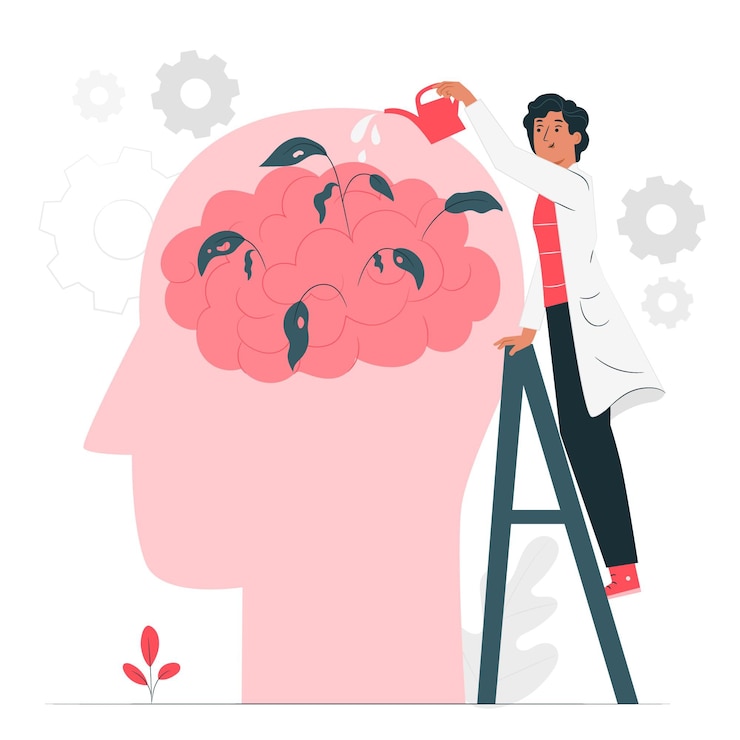
📘 1. Impact on Academic or Work Performance
Mental health has a direct connection with how well a person performs at school or work.
✅ When mental health is good:
Better concentration and memory
Improved productivity and creativity
Efficient decision-making
Ability to meet deadlines and stay motivated
❌ When mental health is poor:
Trouble focusing or retaining information
Procrastination or missed deadlines
Low energy, frequent absences
Anxiety about exams, presentations, or tasks
Reduced confidence and self-worth
Example: A student with anxiety may know the answers but freeze during exams. An employee with depression may struggle to get out of bed, let alone complete assignments.
👥 2. Social Relationships and Mental Well-being
Our mental health affects the way we interact with others. Likewise, our relationships can affect our mental state.
✅ Positive mental health:
Helps in building strong, trusting relationships
Promotes empathy, good communication, and conflict resolution
Supports teamwork and mutual support
❌ Poor mental health:
Causes isolation, withdrawal, and lack of interest in social activities
Leads to arguments, misunderstandings, or breakdown of relationships
May create feelings of loneliness, jealousy, or insecurity
Example: A person dealing with depression may avoid friends and family, even when they need support the most.

🌪️ 3. Stress Management
Stress is a natural part of life, but poor mental health makes it harder to cope.
✅ Healthy mind:
Recognizes stress triggers and responds calmly
Uses healthy coping mechanisms like deep breathing, talking, or problem-solving
Balances responsibilities and rest
❌ Poor mental health:
Overreacts or shuts down in stressful situations
Uses unhealthy coping strategies like anger, overeating, avoiding tasks, or substance use
Feels overwhelmed easily
Example: A student with good coping skills might plan a schedule during exams, while one with poor mental health might panic and avoid studying.